The Complete Guide to AC for New Miami Homeowners
Published: 2026-07-06 · By CoolFreeze Air Conditioning Services
Imagine it's a sweltering summer afternoon in Miami, and the humidity is hovering around 80%. The heat is not just a discomfort; it’s an impending crisis for your air conditioning system. New homeowners often underestimate the demands placed on HVAC units in our coastal climate, where high humidity, salt air, and violent storms can wreak havoc. Installing a reliable air conditioning system is essential for ensuring comfort during those long Miami summers, but understanding how to maintain, repair, and even replace your unit can be daunting.
Why This Matters for Miami Homeowners
In Miami, the combination of high humidity and the corrosive nature of salt air can significantly shorten the lifespan of your air conditioning system. Homeowners frequently report issues such as leaking refrigerant, frequent breakdowns, and overall inefficiency due to neglect in routine maintenance. Furthermore, tropical storms and hurricanes not only offer risks of flooding due to heavy rains but can also cause minor outdoor units to suffer damage from flying debris or water intrusion.
Many homes in Miami are elevated or feature moisture barriers, yet these only provide limited protection against the elements. Air conditioning units often operate under duress, trying to maintain comfortable indoor conditions amidst the relentless heat and humidity. As a new homeowner, understanding these challenges is vital for budgeting both prevention and repair services effectively.
Tip: Always consider the proximity of your AC unit to salty air; corrosion can add unexpected repair costs if not regularly monitored.
Moreover, increased humidity promotes the growth of mold and mildew, which can infiltrate your air ducts and system, leading to health concerns. New residents often overlook these factors, resulting in costly repairs down the line. Thus, understanding the nuances of maintaining an air conditioning system in this tropical climate is not just useful but crucial for your comfort and health.
Expert Solutions & Actionable Tips
1. Understand Your System's BTU Requirements
Before purchasing or maintaining your air conditioning system, ensure you understand the BTU (British Thermal Unit) requirements for your home's size. Miami's average temperature of 80°F needs an appropriate BTU output to cool effectively. An underpowered unit will work overtime and may lead to inefficient cooling and higher energy bills. A 2,000 sq. ft. home usually requires around 36,000 BTUs. Consult with a professional to properly size your unit.
2. Regular Maintenance is a Must
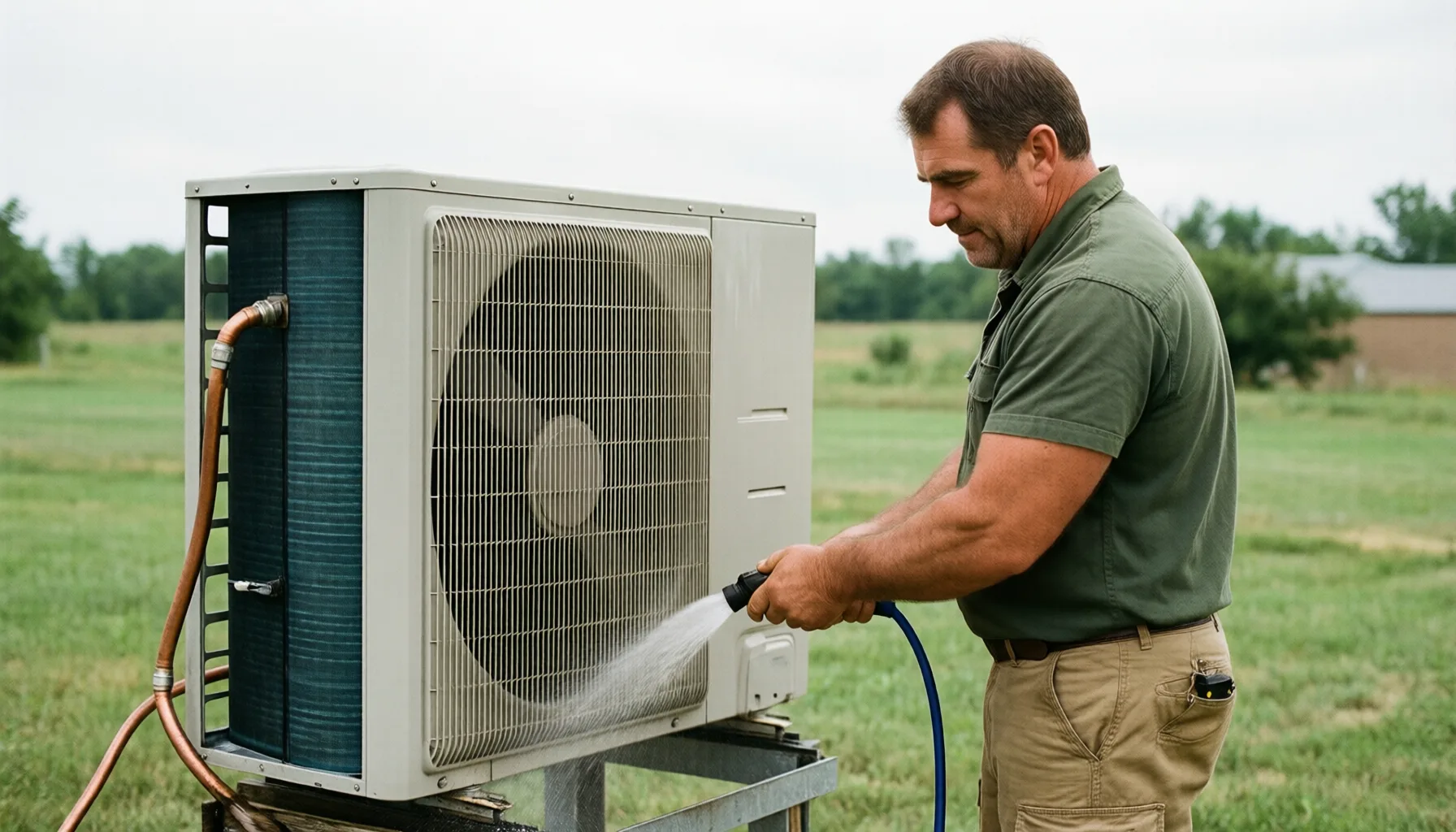
To maintain your AC efficiency in Miami's hot climate, professional maintenance is recommended at least twice a year. This will typically cost between $75 to $150 per visit. Technicians will clean coils, check refrigerant levels, and ensure airflow is unobstructed. If you neglect basic upkeep, a clogged filter alone can decrease efficiency by 15% and force your system to work harder.
3. Consider Corrosion Resistance
When selecting an AC unit for your Miami home, consider models that feature corrosion-resistant coatings, especially if your home is near the coast. While you may pay a bit more upfront, these units can save you on repairs and replacements elsewhere, which can run into thousands of dollars when components fail early due to salt exposure.
4. Upgrade Your Thermostat
Smart thermostats aren't just a luxury; they can critically enhance efficiency in humid climates. With an initial investment around $200, these devices can help you track your usage and optimize settings. Many systems can learn your habits, adjusting temperatures automatically according to when you are home or away. This tech can lead to savings of 10-15% on your energy bills.
5. Understand Local Codes and Permits
Installing or significantly modifying an air conditioning system may require permits in Miami. Failure to comply with local codes can lead to fines and unsafe installations. Check with the Miami-Dade County Building Department regarding the latest regulations before making any changes. This ensures that your system is not only efficient but also legal.
6. Know When to Replace vs. Repair
As a rule of thumb, if your repair costs exceed 50% of the cost of a new unit and your system is over 10 years old, consider a new installation. In humid areas like Miami, older units tend to struggle more. Additionally, new energy-efficient systems can reduce utility bills, making them a financial win even if it means a larger upfront investment.
Miami Climate & Local Context
Miami's tropical climate greatly influences its architectural landscape. Many homes are designed to combat humidity and provide resistance to moisture, such as raised foundations and moisture barriers. Yet, even these designs aren’t fail-proof when it comes to climate-related wear and tear on air conditioning systems. High heat and salt air contribute to rapid corrosion that can quickly advance a unit’s decline.
Furthermore, building codes in Miami are stringent due to the frequent threat of hurricanes and tropical storms. Any HVAC work often requires inspections and permits to ensure that it meets safety standards. New homeowners should familiarize themselves with these requirements to avoid oversights that could sidetrack improvements or repairs to their air conditioning systems.
When to Call a Professional
Recognizing when to tackle an air conditioning issue yourself and when to involve a professional is key in maintaining functionality. Simple tasks such as replacing filters or cleaning drain lines can be DIY tasks, but serious issues require expert intervention.
- Refrigerant leaks
- Unusual noises from the unit
- Frequent system cycling
- Visible ice on the evaporator coils
- Air that’s not cool enough
When you notice these red flags, calling a qualified professional early, like those at CoolFreeze Air Conditioning Services, can save additional costs downstream. Aside from specialized tools, technicians can identify underlying problems that you might miss, which is vital in a climate that dovetails issues of corrosion and humidity.
Frequently Asked Questions
How often should I service my AC system?
For Miami homeowners, servicing your AC system twice a year is ideal, especially to prepare for the hot summer months and the fall hurricane season.
What are common signs my AC needs repairs?
Watch for signs like warm air blowing through ducts, unexpected increases in energy costs, or leaks around your AC unit. These often indicate that professional repair is necessary.
Can I install my AC system myself?
While certain minor tasks can be DIY, air conditioning systems are complex and should usually be installed or serviced by professionals to ensure efficiency and compliance with local codes.
What types of air conditioning systems work best for humid climates?
For humid climates like Miami, consider high-efficiency split systems or units with variable-speed compressors to manage humidity effectively while providing cooling.
What should I look for when buying a new AC unit?
Focus on efficiency ratings, corrosion resistance features, and proper sizing for your home. Consulting a professional can guide you in selecting the right fit.
Get Expert Air Conditioning Repair Service in Miami
Your comfort this summer depends on the reliability of your air conditioning system. For personalized guidance and expert repairs, reach out to CoolFreeze Air Conditioning Services and ensure your system is ready to battle the Miami heat.
Call us at (305) 928-1159 for professional service tailored to the specific needs of Miami homeowners.